
Subscribe to Updates

    Get the latest creative news from FooBar about art, design and business.

    What's Hot

    Why Cheap SEO Works: If You Know What to Buy

    June 10, 2026

    Aviva’s Chief Executive Warns Against Proposed Pension Tax Changes: What UK Entrepreneurs Must Know Now

    June 10, 2026

    Lord Stuart Rose Warns of a UK Economic Crisis

    June 10, 2026
    Facebook Twitter Instagram
    Facebook Twitter Instagram
    Entrepreneur Opinion
    Subscribe
    • Home
    • Business Insights
    • Digital Growth
    • Industry Trends
    • Opinion
    • News
    Entrepreneur Opinion
    Home»Business Insights»The 2030 Race: How UK Small Businesses Can Hit Net-Zero Without Going Broke
    Business Insights

    The 2030 Race: How UK Small Businesses Can Hit Net-Zero Without Going Broke

    SohaibBy SohaibJune 8, 2026Updated:June 8, 2026No Comments5 Mins Read
    Facebook Twitter Pinterest LinkedIn Tumblr Email
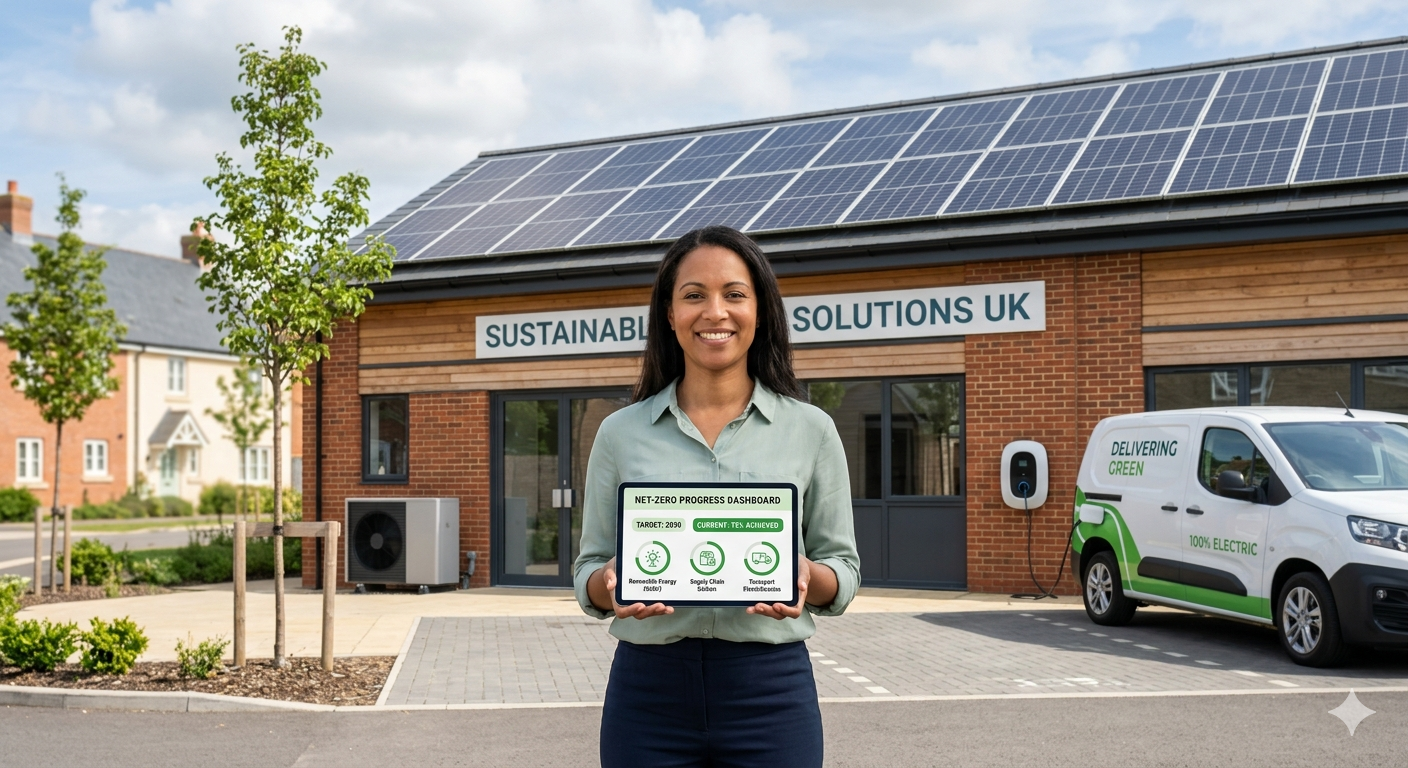
    How UK Small Businesses Can Hit Net-Zero
    Share
    Facebook Twitter LinkedIn Pinterest Email

    Imagine standing in front of your team and announcing that your business is officially carbon-neutral. It sounds fantastic on LinkedIn, but when you look at the balance sheet, reality often bites.

    With 2030 just four years away, the countdown for UK small businesses to reach net-zero emissions is officially ticking. The pressure is no longer just coming from climate activists; it is coming directly from your clients, your commercial supply chain partners, and your bank.

    Going green can look like an expensive corporate luxury when you are trying to manage daily cash flow. However, ignoring sustainability is rapidly becoming a significant business risk.

    Let’s map out exactly how small firms can balance the books while eliminating their environmental footprint.

    The Strategic Path to Decarbonisation

    Reaching net-zero requires a practical approach where every change adds commercial value. Making random adjustments can quickly drain your capital without yielding results.

    1.Measure Your Baseline Footprint:Month 1.

    You cannot fix what you do not track. Use free resources like the SME Climate Hub’s Business Carbon Calculator to calculate your current emissions across your entire operation.

    2.Implement Low-Cost Energy Efficiency:Months 2-6.

    Focus on immediate operational wins. Swapping old warehouse lighting for modern LED fixtures can cut lighting electricity bills by up to 80% with minimal upfront cost.

    3.Address Transport and Mobile Assets:Months 6-12.

    Evaluate how your goods and employees move. Moving your company delivery van or commercial vehicle fleet to electric alternatives protects you from volatile fuel pricing.

    4.Audit Your Supply Chain Partners:Year 2 Onwards.

    Engage with your vendors to reduce indirect impact. Over 70% of a typical firm’s emissions come from its supply chain, meaning you must choose partners who share your carbon targets.

    Where to Target Your Capital Investments
    Solar panels on a garage roof in Cornwall, UK.

    High-Impact Building Upgrades

    Heating and lighting commercial properties remain the most expensive parts of running a brick-and-mortar business. Simple, targeted upgrades help shield your operations from unpredictable energy markets.

    Upgrading to a smart thermostat and adding basic roof insulation might cost around £1,000 ($1,300), but it regularly reduces annual heating costs by 15%. For businesses that own their premises, investing £10,000 ($13,000) in commercial solar panels can offer a reliable payback period within five to seven years.

    The Realities of Supply Chain Procurement

    Your indirect emissions, known technically as Scope 3 emissions, are usually the hardest to control. These are the carbon footprints generated by your web hosting providers, delivery couriers, and raw material manufacturers.

    Start sending simple sustainability questionnaires to your top five vendors. If a supplier is completely ignoring their environmental footprint, look for local alternatives that prioritize green logistics.

    The Pros and Cons of Going Green

    Every business decision involves trade-offs, and rushing into carbon reduction is no exception. Understanding these factors helps you plan effectively.

    The Major Benefits

    • Securing Enterprise Contracts: Large corporations now regularly drop suppliers who cannot provide carbon reporting data.

    • Immediate Financial Savings: Lowering electricity consumption and reducing raw material waste directly boosts your bottom line.

    • Stronger Brand Loyalty: Modern consumers frequently switch brands to support companies with clear ethical standards.

    The Main Obstacles

    • Upfront Cash Flow Strains: Installing heat pumps or upgrading delivery fleets demands immediate capital injection.

    • Complex Administrative Work: Tracking down accurate emission data from international shipping partners can be incredibly time-consuming.

    The “Entrepreneur Opinion” Verdict

    The true mistake most founders make is treating net-zero as a giant corporate social responsibility project. It is not a charity initiative; it is a core exercise in future-proofing your business.

    Smart entrepreneurs will view the 2030 target as an efficiency drive. Every kilowatt of power you save and every mile of unnecessary delivery travel you cut removes pure waste from your business model.

    Do not try to fix everything at once. Use the available public innovation grants, secure a green business loan if the interest rates are favorable, and tackle one core operational area every six months.

    Frequently Asked Questions

    What exactly does net-zero mean for a micro-business or freelancer?

    Net-zero means reducing your business greenhouse gas emissions as close to zero as possible, then using verified carbon removal projects to offset the absolute minimum that remains. For a freelancer, this usually involves choosing green web hosting and switching to public transit.

    How much does it cost an SME to start a net-zero transition?

    Getting started can actually cost nothing if you focus on habit changes and free tools. Larger upgrades like transitioning a commercial vehicle or installing heat pumps can range from £5,000 ($6,500) to over £25,000 ($32,500), though regional grants often cover up to 80% of these expenses.

    Are there government grants available for UK small businesses to go green?

    Yes, local councils and growth hubs frequently offer energy-efficiency audits and green capital grants. Regional schemes like the Net Zero Growth Grant offer up to £25,000 ($32,500) to match investments for eligible commercial decarbonisation projects.

    Can my business get disqualified from supply chains if we don’t have a plan?

    Yes, major UK corporations and public sector bodies increasingly require suppliers to show a clear carbon reduction plan during the tendering process. Failing to track your emissions could lock you out of premium contracts.

    Share. Facebook Twitter Pinterest LinkedIn Tumblr Email
    Sohaib
    • Website

    Sohaib is the founder and lead editor of Entrepreneur Opinion. He is a business enthusiast dedicated to covering UK startup news, digital marketing trends, and global entrepreneurial insights. His mission is to provide founders with honest opinions, expert guides, and the tech tools they need to succeed in today's competitive landscape.

    Leave A Reply Cancel Reply

    Don't Miss
    Digital Growth

    Why Cheap SEO Works: If You Know What to Buy

    By SohaibJune 10, 20260

    Sixty-eight percent of all online experiences begin with a search engine. Not a social media…

    Aviva’s Chief Executive Warns Against Proposed Pension Tax Changes: What UK Entrepreneurs Must Know Now

    June 10, 2026

    Lord Stuart Rose Warns of a UK Economic Crisis

    June 10, 2026

    The 2030 Race: How UK Small Businesses Can Hit Net-Zero Without Going Broke

    June 8, 2026
    Stay In Touch
    • Facebook
    • Twitter
    • Pinterest
    • Instagram
    • YouTube
    • Vimeo
    Our Picks

    Why Cheap SEO Works: If You Know What to Buy

    June 10, 2026

    Aviva’s Chief Executive Warns Against Proposed Pension Tax Changes: What UK Entrepreneurs Must Know Now

    June 10, 2026

    Lord Stuart Rose Warns of a UK Economic Crisis

    June 10, 2026

    The 2030 Race: How UK Small Businesses Can Hit Net-Zero Without Going Broke

    June 8, 2026

    Subscribe to Updates

    Get the latest creative news from SmartMag about art & design.

    About Entrepreneur Opinion

    Entrepreneur Opinion is a premier blogging platform dedicated to providing startup insights, tech tool reviews, and digital growth strategies. We bridge the gap between UK-specific business trends and global market opportunities. Whether you are a budding founder, a freelancer, or an established business owner, our mission is to deliver actionable advice, expert opinions, and branded content to help you navigate and scale in today’s competitive economy.

    Facebook Twitter Pinterest YouTube WhatsApp
    Our Picks

    Why Cheap SEO Works: If You Know What to Buy

    June 10, 2026

    Aviva’s Chief Executive Warns Against Proposed Pension Tax Changes: What UK Entrepreneurs Must Know Now

    June 10, 2026

    Lord Stuart Rose Warns of a UK Economic Crisis

    June 10, 2026
    New Comments
      Facebook Twitter Instagram Pinterest
      • Home
      • About Us
      • Contact Us
      • Disclaimer
      • Privacy Policy
      • Terms and Conditions
      © 2026 Entrepreneur Opinion. Managed by Sohaib Ahmad SEO.

      Type above and press Enter to search. Press Esc to cancel.